


Common Mistakes to Avoid in Industrial Control Transformers Selection
 January 6, 2026
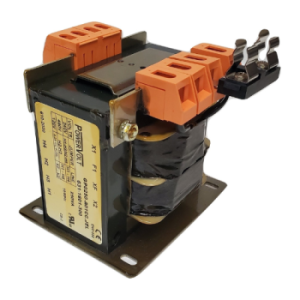
Selecting the right Industrial Control Transformer is a critical decision that directly impacts the safety, reliability, and performance of your control systems.
Yet, many system failures, PLC malfunctions, and unexpected downtime can be traced back to basic transformer selection mistakes.
At Powervolt Group, we’ve seen how overlooked design assumptions and undersized components lead to costly breakdowns. This guide outlines common selection oversights and provides guidance on how to avoid them.
Why Choosing the Right Industrial Control Transformer Matters
Industrial control transformers step down voltage to safely power control circuits, PLCs, relays, sensors, and automation equipment. A poor selection can result in:
- Frequent control circuit failures
- Overheating and insulation damage
- PLC communication errors
- Unplanned downtime and maintenance costs
If you’re asking:
- How do I choose the correct industrial control transformer?
- What causes control transformer failure?
- Why does my PLC transformer keep overheating?
You’re in the right place.
Top Mistakes When Selecting Industrial Control Transformers
1. Undersizing the Industrial Control Transformer
One of the most damaging mistakes is selecting a transformer with insufficient VA capacity. In many cases, only steady-state load is considered, while inrush currents from contactors and relays are overlooked.
This mistake is covered in detail in our cluster article:
Why Undersizing Industrial Control Transformers Causes System Failures
What happens when transformers are undersized?
- Voltage drops during startup
- PLC resets and logic errors
- Excessive heat buildup
- Shortened transformer lifespan
2. Ignoring Inrush Current Requirements
Control devices draw significantly higher current during startup. Ignoring this surge leads to nuisance tripping and unstable control power.
User search intent covered:
- How much inrush current should a control transformer handle?
- Why does my control transformer trip on startup?
3. Incorrect Primary or Secondary Voltage Selection
A mismatch between transformer voltage ratings and actual system requirements can cause overvoltage or undervoltage conditions.
Common errors include:
- Selecting 230V instead of 220V systems
- Incorrect secondary voltage for PLC inputs
- Failure to consider voltage fluctuations
4. Overlooking Temperature Rise and Ambient Conditions
Industrial environments are rarely “ideal.” High ambient temperatures, poor ventilation, or enclosed panels increase transformer stress.
At Powervolt Group, we always recommend evaluating:
- Ambient temperature rating
- Insulation class
- Cooling and enclosure design
5. Using General-Purpose Transformers Instead of Industrial Control Transformers
General-purpose transformers are not designed for frequent switching, vibration, or continuous industrial loads.
Industrial Control Transformers are specifically built for:
- Automation panels
- PLC control systems
- Machine tools and motor starters
6. Neglecting Grounding and Protection Requirements
Improper grounding increases electrical noise and safety risks, especially in PLC-driven systems.
How These Mistakes Impact PLC-Based Control Systems
PLC systems are highly sensitive to power quality. Poor transformer selection leads to:
- Random PLC faults
- Communication failures
- Sensor misreads
- Unexpected machine stoppages
Related deep dive:
Industrial Control Transformers for PLCs: Common Design Errors
Best Practices for Selecting Industrial Control Transformers
- Always calculate total connected load + inrush current
- Choose transformers with adequate VA margin (20–30%)
- Match voltage ratings precisely
- Consider future expansion
- Select industrial-grade transformers from trusted manufacturers
Powervolt Group specializes in engineered industrial control transformers built for demanding automation environments.
Get Expert Guidance
Not sure which industrial control transformer fits your system?
Contact Powervolt Group for expert selection support.
FAQs
What is an industrial control transformer used for?
An industrial control transformer supplies safe, stable voltage to control circuits, PLCs, relays, sensors, and automation equipment.
What happens if a control transformer is undersized?
Undersizing causes voltage drops, overheating, PLC resets, and premature transformer failure.
How do I calculate the correct VA rating?
Add the VA ratings of all connected loads and include inrush current requirements, then add a safety margin of at least 20–30%.
Are industrial control transformers different from power transformers?
Yes. Industrial control transformers are designed for frequent switching, higher inrush currents, and control circuit stability.
Which transformer is best for PLC control panels?
Transformers with stable output, proper grounding, low noise, and adequate VA capacity are essential.
Final Thoughts
Avoiding common selection mistakes can dramatically improve control system reliability, safety, and lifespan. With the right Industrial Control Transformer, you protect not just equipment-but productivity.
Powervolt Group is committed to delivering robust, application-specific transformer solutions for modern industrial automation.