





Transformer Safety Standards – Every Engineer Should Know
 July 22, 2026
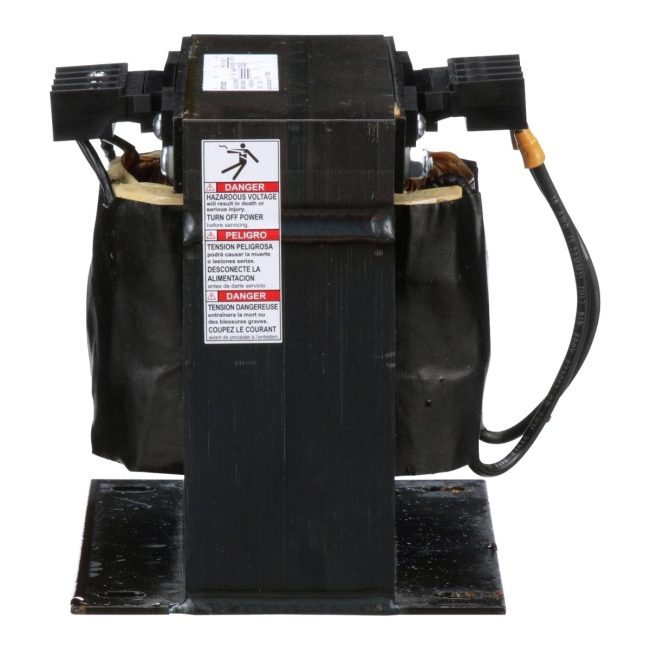
Transformers are critical components in electrical and industrial systems, ensuring safe voltage conversion and reliable power distribution. Whether used in control panels, machinery, or automation systems, transformers must be designed, installed, and maintained according to recognized safety standards.
Understanding these standards helps engineers minimize risks, improve equipment performance, and comply with industry regulations. In this article, we’ll look at the most important transformer safety standards and why they matter.
Why Transformer Safety Standards Matter
Safety standards are developed to ensure transformers operate reliably under normal and fault conditions. Compliance helps:
- Protect personnel from electrical hazards.
- Reduce the risk of overheating and equipment failure.
- Improve system reliability and lifespan.
- Meet regulatory and customer requirements.
- Minimize maintenance costs and downtime.
Choosing transformers that meet recognized standards gives engineers confidence that the equipment is built with safety and quality in mind.
Key Transformer Safety Standards
1. UL Standards
Underwriters Laboratories (UL) develops safety standards for electrical equipment used across North America. UL-listed transformers undergo testing for insulation, temperature rise, dielectric strength, and overall construction quality.
For industrial applications, selecting UL-compliant transformers helps ensure dependable and safe performance.
2. CSA Standards
The Canadian Standards Association (CSA) sets electrical safety requirements for products used in Canada. Many manufacturers supply transformers with both UL and CSA certifications, making them suitable for projects across North America.
3. NEMA Standards
The National Electrical Manufacturers Association (NEMA) publishes standards that promote consistency in transformer design and performance. These guidelines help ensure compatibility, efficiency, and reliable operation in industrial environments.
4. IEEE Standards
The Institute of Electrical and Electronics Engineers (IEEE) develops technical standards covering transformer testing, maintenance, insulation systems, and performance. IEEE recommendations are widely followed by engineers, utilities, and industrial facilities to improve reliability and extend equipment life.
Best Practices for Transformer Safety
Following industry standards is only part of ensuring safe transformer operation. Engineers should also adopt these best practices:
- Select the correct transformer size for the application.
- Install proper overcurrent protection.
- Ensure adequate ventilation to prevent overheating.
- Inspect electrical connections regularly.
- Follow recommended maintenance schedules.
- Replace damaged or aging components promptly.
Regular inspections and preventive maintenance can significantly reduce unexpected failures and improve overall system performance.
How PowerVolt Group Supports Safe Transformer Solutions
At PowerVolt Group, we understand that safety and reliability are essential in every application. Our transformers are manufactured with quality materials, precision engineering, and thorough testing to help meet the demanding requirements of industrial and commercial systems.
Whether you need standard control transformers or custom-built solutions, our team is committed to delivering products that support safe, efficient, and dependable operation.
Conclusion
Transformer safety standards play a vital role in protecting people, equipment, and electrical systems. By understanding standards such as UL, CSA, NEMA, and IEEE, engineers can make informed decisions when selecting and installing transformers.
Partnering with a trusted manufacturer and following industry best practices helps ensure long-term performance, compliance, and peace of mind.
Need Expert Guidance?
Selecting the right transformer involves more than meeting voltage and power requirements—it also means considering safety, compliance, and long-term reliability. If you need assistance choosing a transformer for your application, PowerVolt Group’s engineering team is here to help.
Reach out today to discuss your requirements or request a customized transformer solution. Contact us today
Frequently Asked Questions
Q1. What are transformer safety standards?
A: Transformer safety standards are guidelines that ensure transformers are designed, tested, and installed safely to protect people and equipment.
Q2. Why are transformer safety standards important?
A: They help reduce electrical hazards, improve reliability, ensure regulatory compliance, and extend transformer lifespan.
Q3. What are the most common transformer safety standards?
A: The most referenced standards include UL, CSA, NEMA, and IEEE.
Q4. Does every transformer need to comply with safety standards?
A: Compliance depends on the application and region, but following recognized standards is strongly recommended for safety and performance.
Q5. How can engineers improve transformer safety?
A: Engineers should select the correct transformer, follow proper installation practices, perform regular maintenance, and use products from reputable manufacturers.