






What Factors Affect Reliability in Low Voltage Power Transformer Design?
 March 26, 2026
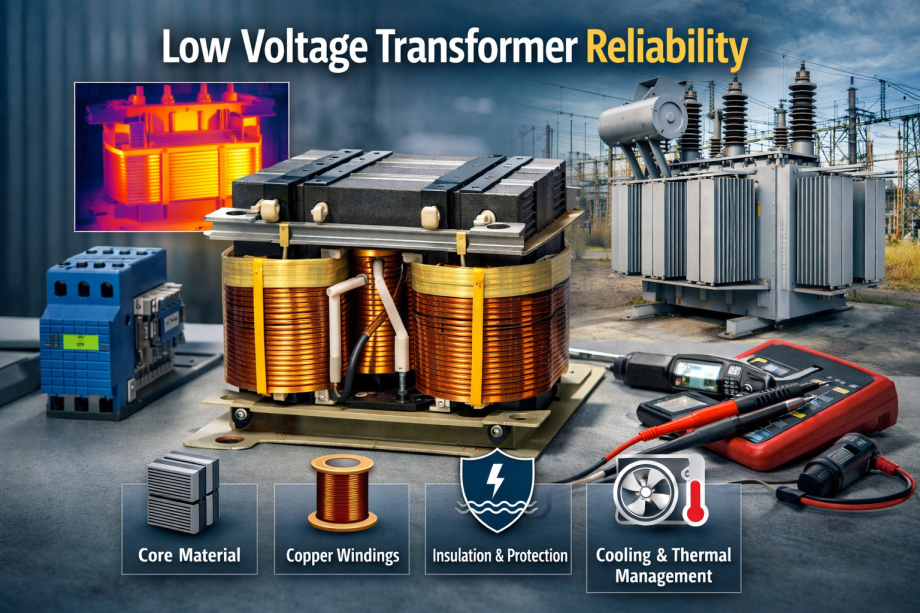
Low voltage power transformers play a crucial role in ensuring safe and efficient power distribution across residential, commercial, and industrial applications.
While they operate at lower voltage levels compared to high voltage units, their reliability is equally important-if not more-because they are directly connected to end-use equipment.
At Powervolt Group, we specialize in manufacturing high-quality low voltage power transformers designed for durability, efficiency, and long-term performance.
In this comprehensive guide, we’ll explore the key factors that affect reliability in low voltage transformer design and how the right engineering approach can significantly enhance operational life.
Understanding Low Voltage Transformers
Low voltage transformers are typically used to step down voltage to usable levels for equipment and appliances. These transformers are widely used in:
- Industrial machinery
- Commercial buildings
- Renewable energy systems
- Automation and control panels
Despite their smaller size, they must handle varying loads, environmental stress, and continuous operation-making reliability a top priority.
1. Core Material Quality and Design
The core is the heart of any transformer. In low voltage transformers, core efficiency directly impacts performance and heat generation.
Key Factors:
- Use of high-grade CRGO (Cold Rolled Grain Oriented) silicon steel
- Proper lamination stacking to reduce eddy current losses
- Minimizing core gaps and flux leakage
Poor core design can lead to excessive energy losses, overheating, and noise—all of which reduce transformer lifespan.
2. Winding Design and Conductor Selection
Windings carry electrical current and must be designed to handle load variations without overheating or mechanical stress.
Important Considerations:
- Copper vs aluminum windings
- Proper insulation between turns
- Uniform winding distribution
Copper windings, often preferred by Powervolt Group, provide better conductivity and thermal performance, enhancing reliability.
3. Insulation System Integrity
Even in low voltage applications, insulation failure is one of the most common causes of transformer breakdown.
Types of Insulation:
- Enamel coating on wires
- Paper or pressboard insulation
- Epoxy resin (in dry-type transformers)
Reliability Factors:
- Resistance to thermal aging
- Moisture protection
- Dielectric strength
A well-designed insulation system prevents short circuits and ensures safe operation over time.
4. Thermal Performance and Cooling
Heat management is critical in low voltage transformer design. Excess heat can degrade insulation and reduce efficiency.
Cooling Methods:
- Air-cooled (natural or forced)
- Oil-filled cooling (in some designs)
Design Enhancements:
- Ventilation channels
- Heat-resistant materials
- Compact yet efficient layout
Powervolt Group integrates optimized thermal designs to maintain safe operating temperatures even under fluctuating loads.
5. Load Handling and Overload Capacity
Low voltage transformers often face variable loads, especially in industrial and commercial settings.
Key Considerations:
- Load fluctuation tolerance
- Overload capacity design
- Harmonic distortion handling
Transformers designed with proper load margins are less likely to fail under unexpected demand spikes.
6. Protection Against Electrical Faults
Electrical disturbances can significantly impact transformer reliability.
Common Issues:
- Short circuits
- Voltage surges
- Harmonics
Protective Measures:
- Fuses and circuit breakers
- Surge protection devices
- Thermal protection systems
Reliable protection mechanisms ensure that the transformer remains safe during abnormal conditions.
7. Build Quality and Manufacturing Precision
Even the best design can fail without proper manufacturing standards.
Key Practices at Powervolt Group:
- Precision winding techniques
- Automated production processes
- Strict quality control and testing
Consistency in manufacturing ensures each transformer performs reliably in real-world conditions.
8. Environmental Conditions
Low voltage transformers are often installed in diverse environments, which can affect their performance.
Environmental Factors:
- Ambient temperature
- Dust and pollution
- Humidity and moisture
- Indoor vs outdoor installation
Special coatings, enclosures, and sealing techniques are used to protect transformers from harsh environments.
9. Type of Transformer (Dry vs Oil-Filled)
The choice between dry-type and oil-filled transformers affects reliability depending on the application.
Dry-Type Transformers:
- Safer for indoor use
- Lower maintenance
- Resistant to fire hazards
Oil-Filled Transformers:
- Better cooling efficiency
- Suitable for higher load capacity
Powervolt Group offers solutions tailored to specific industry needs, ensuring optimal reliability for each application.
10. Energy Efficiency and Loss Reduction
Efficiency is closely linked to reliability. Higher losses mean more heat and faster degradation.
Types of Losses:
- Core losses (no-load losses)
- Copper losses (load losses)
Reducing these losses not only improves performance but also extends transformer lifespan.
11. Maintenance and Monitoring
Even low voltage transformers benefit from regular inspection and monitoring.
Best Practices:
- Routine visual inspections
- Temperature monitoring
- Load analysis
Modern smart transformers include sensors and monitoring systems that help detect issues early.
12. Compliance with Standards
Adherence to industry standards ensures safety, quality, and reliability.
Common Standards:
- IEC standards
- IS (Indian Standards)
- ISO certifications
Powervolt Group ensures all products meet or exceed these standards, delivering dependable performance.
Why Reliability Matters in Low Voltage Transformers
Low voltage transformers are directly connected to sensitive equipment. Any failure can result in:
- Equipment damage
- Production downtime
- Increased maintenance costs
That’s why investing in a reliable transformer design is essential for long-term operational efficiency.
Conclusion
Reliability in low voltage power transformer design depends on multiple interconnected factors-from core materials and winding design to insulation, cooling, and environmental protection. Each component must be carefully engineered and tested to ensure consistent performance.
At Powervolt Group, our commitment to quality, innovation, and precision manufacturing ensures that every low voltage transformer we produce meets the highest standards of reliability and efficiency.
Whether for industrial, commercial, or specialized applications, our transformers are built to deliver long-lasting performance you can trust.
FAQs
1. What is a low voltage transformer?
A low voltage transformer reduces electrical voltage to safe levels for use in residential, commercial, or industrial applications.
2. What causes low voltage transformer failure?
Common causes include overheating, insulation breakdown, overloading, and poor maintenance.
3. Are copper windings better than aluminum?
Yes, copper windings generally offer better conductivity, durability, and thermal performance.
4. How can transformer reliability be improved?
By using high-quality materials, proper design, effective cooling, and regular maintenance.
5. What is the lifespan of a low voltage transformer?
With proper design and maintenance, a low voltage transformer can last 20–30 years or more.
6. Why choose Powervolt Group transformers?
Powervolt Group focuses on quality engineering, advanced manufacturing, and strict testing to deliver highly reliable and efficient transformer solutions.
For reliable, efficient, and durable low voltage transformer solutions, trust Powervolt Group-your partner in powering performance.
One thought on “What Factors Affect Reliability in Low Voltage Power Transformer Design?”
Comments are closed.