


Class 2 Transformer – Understanding Safety, Function, and Applications
 October 7, 2025
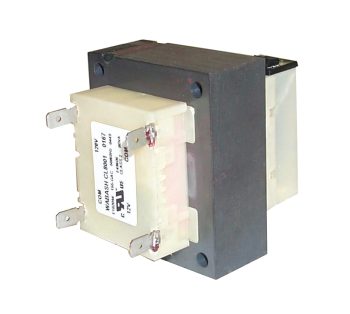
When it comes to powering low-voltage control circuits, LED lighting, thermostats, or industrial automation systems, Class 2 transformers play a crucial role. But what does “Class 2” really mean? And how are these transformers different from others on the market?
In this article, we’ll break down the definitions, operation, load power output, and safety standards of Class 2 transformers. Whether you’re an engineer, a technician, or simply someone shopping for power supplies—this guide gives you everything you need to know.
What Does “Class 2” Mean in Transformers?
The term “Class 2” doesn’t indicate quality or performance—it’s a safety classification defined by the National Electrical Code (NEC) and UL standards. It ensures that a power source and the circuit it supplies maintain limited and safe power output.
Key Safety Factors of Class 2 Circuits:
- Limited Power: Class 2 circuits are restricted to a maximum output of 100 volt-amps (VA). This low energy level helps prevent fires in case of short circuits or overloads.
- Low Voltage: The output voltage of a Class 2 transformer is typically 24 volts AC or less. This significantly reduces the risk of electric shock, allowing safer installations and easier wiring.
Because of this classification, Class 2 circuits are often used in systems requiring safe, low-voltage power—like LED lighting, thermostats, and automation controls. They also allow for cost-effective installation since conduit and high-voltage-rated wiring are generally not required.
How Does a Class 2 Transformer Work?
A Class 2 transformer operates using electromagnetic induction, reducing a higher voltage input to a safe, low-voltage output. What sets Class 2 transformers apart is their built-in safety limitations, which come in two types:
- Inherent Limitation: Some Class 2 transformers use high impedance windings to naturally limit output current—even during short circuits. This eliminates the need for external fuses or breakers.
- Non-Inherent Limitation: Others use external protection mechanisms like fuses or thermal cutouts. These shut off power when the current exceeds safe levels, protecting both the transformer and the load.
What Is the Maximum Power Output of a Class 2 Transformer?
According to UL and NEC standards, the maximum output of a Class 2 transformer is 100 VA. This power cap ensures that the transformer delivers energy levels low enough to minimize fire or shock hazards-even in the event of a fault.
Does a Class 2 Transformer Need Overcurrent Protection?
Yes, overcurrent protection is essential-even for Class 2 transformers that are inherently limited. It enhances both safety and reliability, especially in installations with potential risks.
Why Overcurrent Protection Matters:
- Internal protection: Most Class 2 transformers come with built-in safety devices like circuit breakers, PTCs, or thermal fuses.
- External protection: Depending on your local electrical code or manufacturer guidance, you may need input-side fuses or breakers.
- Circuit safety: Protects both transformer and downstream devices from overloads, wiring faults, or improper installation.
Applications of Class 2 Transformers:
Because they offer safe, low-voltage power, Class 2 transformers are ideal for:
- HVAC Systems: Control circuits, smart thermostats
- LED Lighting: Powering indoor/outdoor fixtures
- Security Systems: Cameras, access control, alarms
- Building Automation: Sensors, switches, relays
- Industrial Controls: PLCs and low-voltage control panels
Their safe design simplifies maintenance and lowers electrical hazard risks—especially in residential, commercial, and industrial environments.
Looking for Certified Class 2 Transformers?
PowerVolt Group offers a trusted range of UL Recognized Class 2 transformers, designed for safety, reliability, and top-tier performance. Perfect for:
- HVAC controls
- LED lighting
- Industrial control panels
- Security systems
Click here to explore PowerVolt Group’s Class 2 transformers
Final Thoughts
Class 2 transformers aren’t just components-they’re critical safety devices in modern low-voltage systems. Understanding how they work, their limitations, and where they’re used will help you make smarter, code-compliant decisions for your projects.
For engineers, contractors, or anyone working with low-voltage power systems in the U.S., Canada, or global markets, Class 2 transformers provide a safe, efficient, and code-compliant solution.