



Top Custom Power Transformer Manufacturers (2025): Specifications, Costing & Lead Times
 December 9, 2025
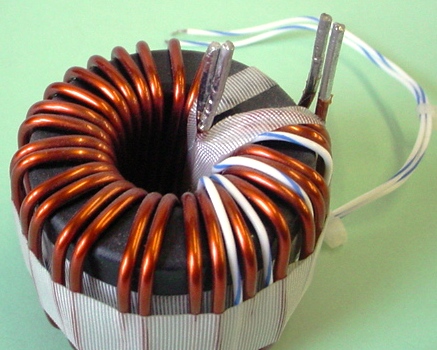
Custom power transformers are essential for modern industrial, commercial, and OEM applications-especially when standard, off-the-shelf units cannot meet unique voltage, size, thermal, or environmental requirements.
Whether you’re building automation equipment, HVAC systems, EV charging solutions, power supplies, or specialized machinery, choosing the right custom transformer manufacturer directly impacts product reliability, safety, energy efficiency, and long-term operational performance.
This guide covers:
- What makes a top custom transformer manufacturer
- Key specifications to define
- Costing factors with real-world price ranges
- Typical production lead times
- Frequently Asked Questions
- Why companies choose PowerVolt Group as a U.S.-based transformer supplier
What Makes a Top Custom Power Transformer Manufacturer?
A leading transformer manufacturer must bring together strong engineering capabilities, manufacturing excellence, and compliance expertise. Below are the critical attributes:
1. Strong Engineering Expertise
- Dedicated R&D team
- Ability to design application-specific custom solutions
- Support for high mix–low volume (HMLV) requirements
- Deep compliance experience:
- UL / cUL
- CE
- RoHS, REACH
- DOE efficiency
- NEMA/IEC standards
PowerVolt Group, for example, engineers both low-voltage and high-performance industrial transformers tailored for OEMs in the U.S.
2. Advanced Manufacturing Capabilities
- Precision automated coil winding
- High-grade core materials (laminated steel, ferrite, toroidal)
- Vacuum impregnation, potting, and encapsulation options
- High-voltage and isolation transformer customization
- Automated production lines for consistency
3. Wide Product Range
Top manufacturers supply:
- Power transformers
- Class 2 & Class 3 transformers
- Control transformers
- PCB-mount & encapsulated transformers
- Step-up/step-down transformers
- Isolation & autotransformers
- Medical-grade and industrial-grade units
4. Customization Flexibility
- Primary & secondary voltage variations
- VA ratings from fractional wattage to multi-kVA
- PCB, DIN-rail, chassis, wall-mount, or enclosed metal housings
- NEMA/IP-rated sealed enclosures
- Thermal protection (fuse, PTC, thermal cutoff)
5. Proven Quality & Reliability
- ISO-certified production
- Strict functional, dielectric & Hi-Pot testing
- High MTBF (Mean Time Between Failures)
- Long-term field performance data
- Complete traceability for OEMs
Key Specifications to Define for Custom Transformers
When ordering a custom power transformer, you must finalize these categories:
A. Electrical Specifications
- Input voltage / output voltage
- Frequency (50/60 Hz)
- VA or kVA rating
- Efficiency requirements
- Voltage regulation
- Insulation class (Class B, F, H)
- Temperature rise limits
B. Mechanical Requirements
- Size or footprint constraints
- Mounting method:
- PCB mount
- Bracket
- DIN-rail
- Chassis or enclosure
- Lead wires, terminals, connectors
- Encapsulation or potting needs
C. Environmental Considerations
- Indoor or outdoor use
- Operating temperature range
- Humidity exposure
- High vibration or shock environments
- IP or NEMA enclosure ratin
D. Compliance & Certifications
- UL / cUL
- CE
- RoHS / REACH
- Custom labels & serial traceability
- DOE energy efficiency
Key Technical Specifications Table
| Parameter | What It Means | Typical Range |
| Power Rating | Output capacity | 5 VA – 500 kVA |
| Frequency | Operating cycles | 50/60 Hz |
| Efficiency | Energy performance | 85–98% |
| Insulation Class | Thermal resistance | Class B/F/H |
| Lead Time | Production timeline | 4–12+ weeks |
Custom Transformer Costing: How Much Do They Really Cost?
Custom transformer pricing depends on multiple engineering and material factors.
1. Power Rating & Design Complexity
- Higher kVA = higher material and copper usage
- Multi-output or dual-voltage designs cost more
- High-efficiency or low-voltage-drop designs increase cost
2. Core Material Type
- Laminated steel (most economical)
- Ferrite cores (higher performance)
- Toroidal cores (compact, low EMI, more expensive)
3. Winding Requirements
- Copper vs aluminum
- Tight tolerances increase production cost
- Thermal protection or special insulation adds complexity
4. Enclosures & Protection
- Open-frame = lowest cost
- Encapsulated/potted = 20–40% higher cost
- NEMA / IP-rated enclosures add premium
5. Order Quantity
- Small batches cost more due to setup time
- High-volume orders reduce per-unit price significantly
Typical Price Range
| Transformer Type | Price Range |
| Small PCB transformers | $15–$60 |
| Industrial medium-power transformers | $75–$500 |
| Enclosed/control transformers | $200–$2,000+ |
Lead Times for Custom Transformers
Lead times depend on design complexity, compliance requirements, and manufacturer capacity.
Typical Custom Transformer Lead Times
- Engineering & design: 1–3 weeks
- Prototype: 2–4 weeks
- Small/medium batch production: 4–8 weeks
- Large-volume runs: 8–12+ weeks
U.S.-based manufacturers like PowerVolt Group generally deliver prototypes and production faster than overseas suppliers.
Factors That Influence Lead Times
- Raw material availability (copper, cores, laminations)
- Custom certifications (UL/CE)
- Encapsulation/thermal design complexity
- Volume ordered
- Production queue
Frequently Asked Questions
1. How do I choose the best custom transformer manufacturer?
Look for engineering capability, UL/CE compliance, in-house testing, strong prototyping speed, and proven OEM experience.
2. Are custom transformers more expensive than standard ones?
Yes, but they deliver better performance, perfect fitting, and long-term reliability—often reducing system-level costs.
3. Can I get a prototype before full production?
Most top manufacturers, including PowerVolt Group, provide prototypes for testing and validation.
4. What industries use custom transformers?
Industrial automation, HVAC, EV charging, power supplies, medical devices, semiconductor equipment, building controls, and OEM products.
5. How long does custom transformer design take?
Typically 1–3 weeks depending on complexity.
Key Takeaways
- Custom transformers deliver precise performance for OEM & industrial needs.
- Costs vary based on kVA rating, materials, winding methods, and certifications.
- Lead times range from 4–12+ weeks depending on complexity & volume.
- Choosing a technically strong manufacturer ensures long-term reliability.
Conclusion
Custom power transformers are critical for achieving performance, efficiency, and safety in modern industrial and OEM applications.
By understanding the engineering specifications, cost drivers, and lead time expectations, you can confidently choose a manufacturer capable of delivering high-quality, application-specific solutions.
For companies looking for UL-compliant, high-efficiency, custom transformers with fast lead times, PowerVolt Group remains one of the most trusted transformer manufacturers in the USA-specializing in OEM, industrial, HVAC, automation, EV, and power supply applications.
Need a custom power transformer designed, engineered, or prototyped?
Contact PowerVolt Group for expert guidance, pricing, and fast delivery.