

Custom Industrial Control Transformers: Benefits & When You Need One
 March 17, 2026
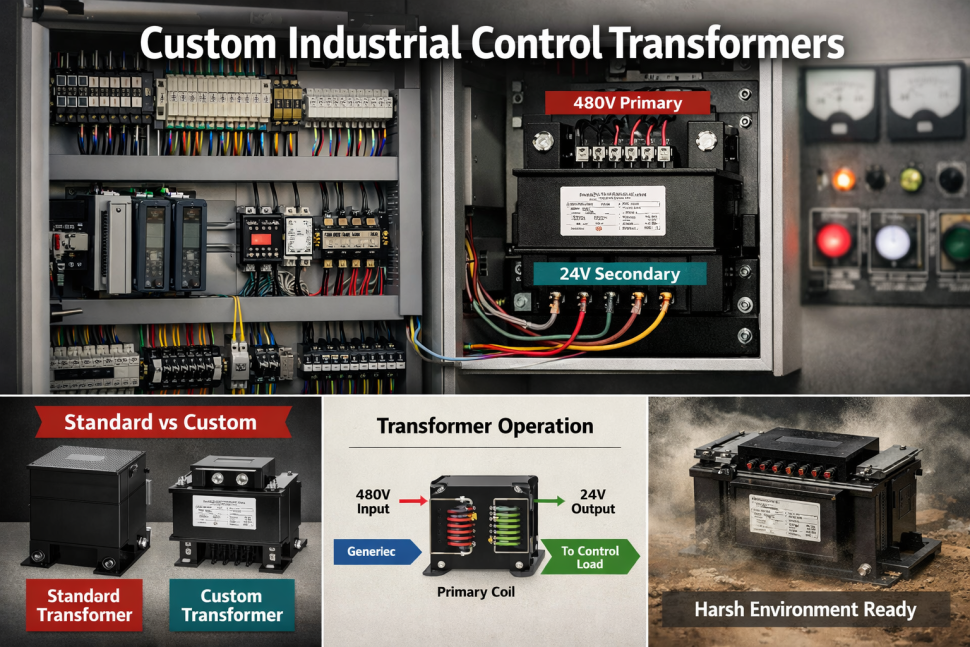
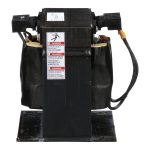
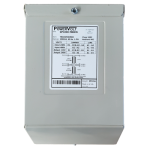
In modern industrial systems, precision and reliability are everything. Standard transformers may work for general applications, but when your equipment demands exact voltage control, space optimization, and long-term durability, custom industrial control transformers become essential.
Whether you’re designing control panels, automation systems, or OEM equipment, choosing the right transformer can directly impact performance, safety, and operational efficiency.
What Is a Custom Industrial Control Transformer?
A custom industrial control transformer is specifically designed and engineered to meet unique application requirements such as:
- Non-standard voltage ratings
- Specific VA (Volt-Ampere) capacity
- Compact panel space constraints
- Special environmental conditions
Unlike off-the-shelf transformers, custom solutions ensure perfect compatibility and optimized performance.
Key Benefits of Custom Industrial Control Transformers
1. Precise Voltage Matching
Custom transformers are built to deliver exact voltage requirements, ensuring stable operation of sensitive components like PLCs and relays.
2. Optimized Performance
They reduce voltage drops during inrush current conditions, improving system reliability.
3. Space Efficiency
Designed to fit your control panel layout, saving valuable space in compact systems.
4. Enhanced Safety
Custom-built transformers comply with standards like UL and IEC, minimizing risks.
5. Long-Term Cost Savings
Though initial cost may be higher, reduced downtime and maintenance lead to better ROI.
When Do You Need a Custom Control Transformer?
You should consider a custom transformer when:
1. Your Voltage Requirements Are Non-Standard
Example: Converting 480V to 24V with specific load conditions.
2. You Have High Inrush Current Loads
Devices like contactors and solenoids require transformers that can handle surge currents.
3. Panel Space Is Limited
Custom dimensions help fit transformers into tight control panels.
4. Harsh Operating Environments
Dust, moisture, or extreme temperatures require special insulation and enclosure designs.
5. You Need Compliance With Specific Standards
Custom transformers can be designed to meet UL, CE, or industry-specific certifications.
Custom vs Standard Control Transformers
| Feature | Standard Transformer | Custom Transformer |
| Voltage Options | Limited | Fully customizable |
| Size | Fixed | Compact & flexible |
| Performance | General | Optimized |
| Cost | Lower upfront | Better long-term ROI |
| Application Fit | Generic | Application-specific |
How to Select the Right Custom Transformer
Step 1: Calculate Load Requirements
Include all connected devices (PLCs, relays, contactors).
Step 2: Determine VA Rating
Always add a safety margin of 20–30%.
Step 3: Consider Inrush Current
Ensure the transformer can handle startup surges.
Step 4: Evaluate Environmental Conditions
Choose insulation and enclosure accordingly.
Step 5: Check Compliance Standards
Ensure adherence to UL, IEC, or other regulations.
Applications of Custom Industrial Control Transformers
Custom transformers are widely used in:
- Industrial automation systems
- Manufacturing plants
- HVAC control panels
- CNC machines
- Robotics and assembly lines
- Renewable energy systems
Common Mistakes to Avoid
- Undersizing VA rating
- Ignoring inrush current
- Choosing based on price only
- Not considering future expansion
- Skipping compliance requirements
Recommended Read:
Common Mistakes to Avoid in Industrial Control Transformers Selection
Why Custom Transformers Improve Efficiency
Custom transformers:
- Reduce energy losses
- Improve voltage stability
- Increase equipment lifespan
- Minimize downtime
This directly leads to higher productivity and lower operational costs.
Why Choose Powervolt Group?
Powervolt Group is a trusted name in industrial transformer solutions.
What We Offer:
- Custom-built transformers
- Fast turnaround time
- Global compliance standards
- Expert engineering support
- Cost-effective solutions
Get a Custom Transformer Designed for Your Exact Needs
Don’t settle for standard solutions that limit your performance.
Partner with Powervolt Group for high-quality custom industrial control transformers.
✔ Free expert consultation
✔ Tailor-made design solutions
✔ Quick quotes & delivery
Speak with Our Engineers at Powervolt Group
FAQs
1. What is a custom industrial control transformer?
A custom industrial control transformer is designed to meet specific voltage, size, and performance requirements for industrial applications, unlike standard off-the-shelf models.
2. When should I use a custom control transformer?
You should use a custom transformer when your system has unique voltage needs, space limitations, or operates in harsh environments.
3. How do I calculate the VA rating for a control transformer?
Add the total load of all connected devices and include a 20–30% safety margin to handle inrush current.
4. Why is inrush current important in transformer selection?
Inrush current occurs during startup and can cause voltage drops. A properly designed transformer prevents system instability.
5. Are custom transformers more expensive?
Yes, initially-but they provide better efficiency, reliability, and long-term cost savings.
6. Can custom transformers improve equipment life?
Absolutely. Stable voltage and reduced stress on components help extend equipment lifespan.
7. What industries use custom industrial control transformers?
Industries like manufacturing, automation, HVAC, robotics, and CNC machining commonly use them.
8. Does Powervolt Group provide custom transformer solutions?
Yes, Powervolt Group specializes in designing and manufacturing custom industrial control transformers tailored to your exact requirements.
9. How long does it take to get a custom transformer?
Lead time depends on specifications, but Powervolt Group ensures fast turnaround and quick delivery.
10. How can I get a quote from Powervolt Group?
You can contact Powervolt Group directly for a free consultation and receive a customized quote based on your application needs.