





Heat Dissipation and Thermal Performance in Encapsulated Transformers
 January 20, 2026
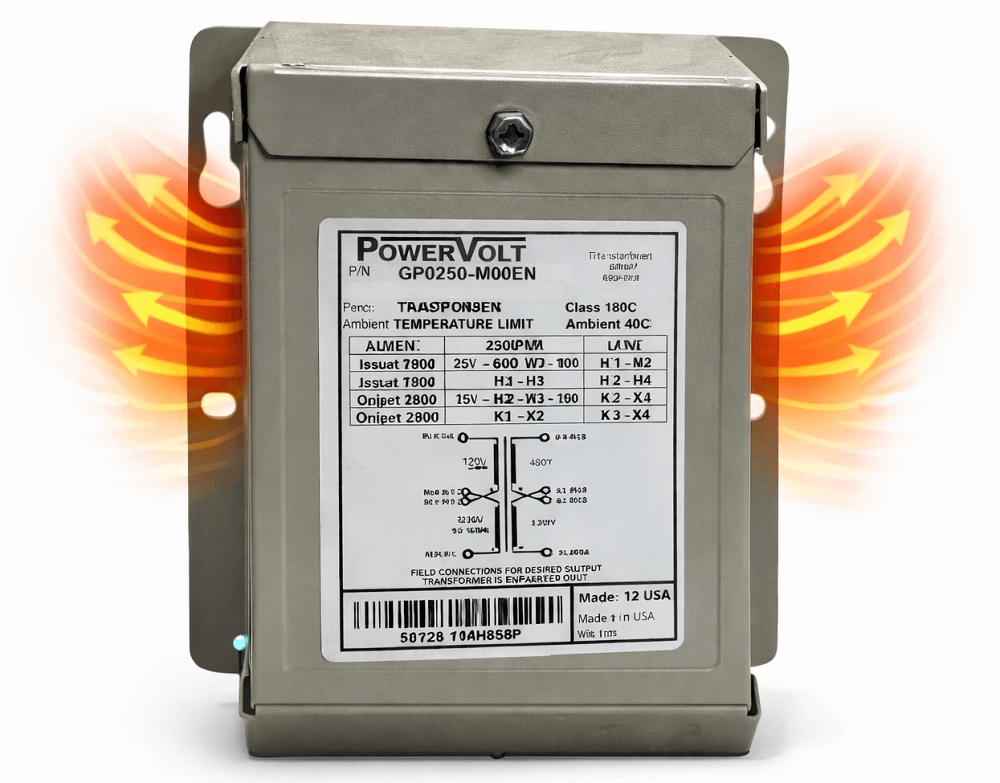
Efficient heat dissipation and strong thermal performance are critical to the reliability, safety, and lifespan of encapsulated transformers.
These transformers are widely used across industrial, commercial, and infrastructure projects, where stable temperature control directly impacts operational efficiency.
In this guide, we explain how encapsulated transformers manage heat, the key factors affecting their thermal performance, and how to choose the right solution for your application.
What Are Encapsulated Transformers?
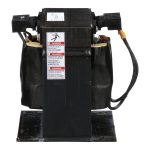
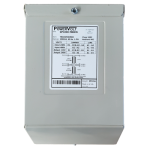
Encapsulated transformers are electrical transformers where the windings and core are sealed within high-grade insulating materials such as epoxy resin.
This encapsulation protects the transformer from moisture, dust, chemicals, and environmental contaminants, making them ideal for indoor and harsh-environment installations.
Unlike oil-filled transformers, encapsulated transformers depend heavily on advanced thermal design to control heat buildup, making heat dissipation a critical performance factor.
Why Heat Dissipation Is Crucial in Encapsulated Transformers?
Transformers generate heat during normal operation due to:
- Copper losses (I²R losses) in the windings
- Core losses from hysteresis and eddy currents
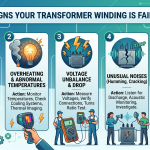
If heat is not effectively dissipated, it can lead to:
- Insulation degradation
- Reduced efficiency
- Shortened transformer lifespan
- Increased risk of overheating and failure
Proper thermal management ensures consistent performance, electrical safety, and compliance with international standards.
Key Factors Affecting Thermal Performance
1. Encapsulation Material
High-quality epoxy resins with enhanced thermal conductivity allow faster heat transfer from internal components to the outer surface.
2. Transformer Design
Optimized winding layout, core construction, and spacing help minimize hotspots and distribute heat evenly.
3. Cooling Method
Encapsulated transformers typically use:
- Natural air cooling (AN)
- Forced air cooling (AF)
Adequate ventilation around the transformer is essential for efficient heat dissipation.
4. Ambient Temperature
High surrounding temperatures reduce cooling efficiency. Transformers must be selected and installed according to site conditions.
5. Load Conditions
Continuous overloading significantly increases operating temperatures and accelerates insulation aging.
How Encapsulated Transformers Dissipate Heat
Encapsulated transformers rely on three primary heat dissipation mechanisms:
- Conduction: Heat moves from windings to the encapsulation material
- Convection: Heat transfers from the transformer surface to surrounding air
- Radiation: Heat is emitted from the surface into the environment
A well-engineered transformer balances all three for stable thermal performance.
Benefits of Effective Thermal Management
Strong thermal performance delivers:
- Longer service life
- Lower maintenance requirements
- Improved energy efficiency
- Reduced risk of downtime
- Enhanced safety for indoor installations
These advantages make encapsulated transformers ideal for commercial buildings, data centers, healthcare facilities, and industrial plants.
Best Practices to Improve Heat Dissipation
- Select transformers with high thermal conductivity encapsulation
- Maintain proper ventilation clearance during installation
- Avoid operating beyond rated load capacity
- Monitor temperature regularly
- Follow manufacturer and industry standards
Related Guide: Choosing the Right Encapsulated Transformer
Selecting the correct transformer type also impacts thermal performance. For a detailed comparison, explore our pillar guide:
Single-Phase vs Three-Phase Encapsulated Transformers: Which One to Select?
This guide helps you evaluate performance, load requirements, efficiency, and application suitability.
Frequently Asked Questions (FAQs)
1. Do encapsulated transformers overheat easily?
No. When correctly designed, installed, and operated within rated limits, encapsulated transformers maintain safe operating temperatures with excellent thermal stability.
2. How is heat managed without oil cooling?
Encapsulated transformers use advanced epoxy materials and air cooling (natural or forced) to dissipate heat efficiently without the need for oil.
3. Are encapsulated transformers suitable for high-temperature environments?
Yes, provided they are designed for higher ambient temperatures and installed with proper ventilation.
4. Does overloading affect thermal performance?
Yes. Overloading significantly increases internal temperature, reducing insulation life and increasing the risk of failure.
5. Which transformer type offers better thermal performance: single-phase or three-phase?
Thermal performance depends on load, design, and application. For a detailed comparison, refer to our guide on Single-Phase vs Three-Phase Encapsulated Transformers.
Conclusion
Heat dissipation and thermal performance are key to the reliability of encapsulated transformers. By understanding heat sources, insulation classes, and installation best practices, engineers can select transformers that deliver long-term performance without overheating risks.
Choosing a properly designed encapsulated transformer ensures safety, efficiency, and durability in modern electrical systems.
Power Your Systems with Confidence
Looking for high-performance encapsulated transformers engineered for superior thermal efficiency and reliability?
PowerVolt Group delivers industry-grade encapsulated transformer solutions designed to perform under demanding conditions.
Contact PowerVolt Group today to discuss your requirements and get expert guidance on the right transformer for your application.