



Troubleshooting Common Issues in Class 2 Transformers
 February 10, 2026
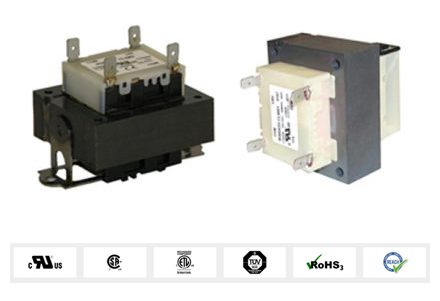
Class 2 transformers are widely used in industrial, commercial, and residential electrical systems due to their inherent energy-limited design and enhanced safety features.
From HVAC controls and access systems to LED lighting and automation panels, these transformers play a critical role in low-voltage power distribution.
However, like any electrical component, Class 2 transformers can experience performance issues if improperly selected, installed, or maintained.
In this guide, Powervolt Group breaks down the most common Class 2 transformer problems, their causes, and step-by-step troubleshooting tips to help you restore safe and reliable operation.
This troubleshooting guide is part of our in-depth pillar resource,
Class 2 Transformers: Complete Guide to Selection, Safety, and Applications
created by Powervolt Group to help engineers, installers, and decision-makers understand selection criteria, safety compliance, applications, and real-world problem-solving.
What Is a Class 2 Transformer? (Quick Recap)
A Class 2 transformer is a low-voltage power supply designed to limit output voltage and power (typically ≤100VA) under fault conditions. These transformers comply with UL and NEC safety standards, reducing the risk of electric shock, fire, and overheating.
Common applications include:
- Control panels
- Thermostats
- HVAC systems
- Security and access control
- Fire alarm systems
- LED lighting
Common Class 2 Transformer Issues & How to Fix Them
1. No Output Voltage
Symptoms:
- Connected device not powering on
- Zero voltage at secondary terminals
Possible Causes:
- No input power
- Blown internal thermal fuse
- Loose wiring connections
- Incorrect primary voltage selection
Troubleshooting Steps:
- Verify input voltage using a multimeter
- Check terminal connections for tightness
- Confirm primary voltage rating matches supply
- Inspect for signs of internal overheating
Pro Tip from Powervolt Group:
Always confirm primary voltage (120V, 240V, 480V, etc.) before installation to avoid internal failure.
2. Output Voltage Too Low
Symptoms:
- Devices operate intermittently
- Dimming lights or weak control signals
Possible Causes:
- Transformer overloaded
- Excessive voltage drop due to long wiring
- Incorrect VA rating selection
Troubleshooting Steps:
- Calculate total load VA and compare with transformer rating
- Shorten wire length or increase wire gauge
- Upgrade to a higher VA Class 2 transformer
Best Practice:
Never operate a Class 2 transformer above 80% of its rated VA for long-term reliability.
3. Transformer Overheating
Symptoms:
- Hot casing
- Automatic shutdown
- Burnt smell
Possible Causes:
- Continuous overload
- Poor ventilation
- High ambient temperature
- Internal fault
Troubleshooting Steps:
- Reduce connected load
- Improve airflow around transformer
- Ensure installation meets manufacturer spacing guidelines
- Replace unit if overheating persists
Safety Note:
Class 2 transformers include thermal protection, but repeated overheating shortens lifespan.
4. Frequent Tripping or Shutdown
Symptoms:
- Transformer turns off repeatedly
- System resets without warning
Possible Causes:
- Short circuit on secondary side
- Faulty connected device
- Inrush current issues
Troubleshooting Steps:
- Disconnect all loads and reconnect one at a time
- Inspect wiring insulation
- Test connected devices individually
Powervolt Group Insight:
Frequent shutdowns often point to downstream wiring or load issues-not the transformer itself.
5. Buzzing or Humming Noise
Symptoms:
- Audible vibration or hum
Possible Causes:
- Loose mounting
- Poor quality power supply
- Overloading
Troubleshooting Steps:
- Tighten mounting hardware
- Ensure stable input voltage
- Reduce load if necessary
Mild hum is normal, but loud noise indicates a problem.
6. Transformer Failure After Short Use
Symptoms:
- Early burnout
- No output after brief operation
Possible Causes:
- Incorrect installation
- Wrong transformer class
- Environmental exposure (moisture, dust)
Troubleshooting Steps:
- Confirm transformer is UL-recognized Class 2
- Use enclosed or potted models for harsh environments
- Follow NEC and manufacturer guidelines
Preventive Maintenance Tips for Class 2 Transformers
To avoid common issues:
- Perform regular voltage checks
- Keep terminals clean and secure
- Avoid moisture and dust exposure
- Select proper VA ratings
- Use trusted manufacturers like Powervolt Group
Preventive care significantly extends transformer lifespan and system reliability.
Why Choose Powervolt Group Class 2 Transformers?
At Powervolt Group, we design and supply high-quality Class 2 transformers that meet stringent UL and NEC standards. Our transformers are engineered for:
✔ Stable output voltage
✔ Thermal and overload protection
✔ Long operational life
✔ Industrial-grade reliability
✔ Wide primary voltage options
Whether you need transformers for HVAC, control panels, LED lighting, or automation, Powervolt Group delivers dependable power solutions you can trust.
FAQs: Class 2 Transformer Troubleshooting
Q1. How do I know if my Class 2 transformer is overloaded?
If output voltage drops or the transformer overheats, it’s likely overloaded.
Q2. Can I replace a failed Class 2 transformer with a higher VA rating?
Yes, as long as voltage ratings match and NEC guidelines are followed.
Q3. Are Class 2 transformers safe for residential use?
Absolutely. They are designed specifically for low-voltage, safe applications.
Q4. How long do Class 2 transformers last?
With proper installation, they can last 10–15 years or more.
Final Thoughts
Troubleshooting Class 2 transformers doesn’t have to be complex. Most issues stem from overloading, wiring errors, or incorrect selection. By understanding common problems and following best practices, you can ensure long-term, safe operation.
Looking for reliable, UL-recognized Class 2 transformers for your application?
Contact Powervolt Group today for expert guidance, technical support, and high-performance transformer solutions tailored to your needs.
Explore our full range of Class 2 transformers and power your systems with confidence.