



Class 2 Transformers: Complete Guide to Selection, Safety, and Applications
 January 27, 2026
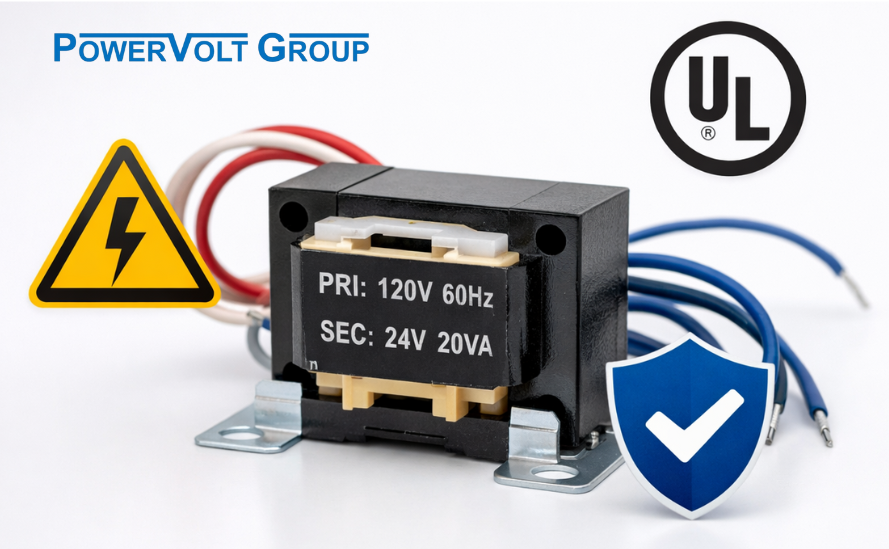
Class 2 transformers play a critical role in low-voltage power distribution where safety, reliability, and compliance are essential.
Commonly used in HVAC systems, control panels, lighting, doorbells, and automation equipment, Class 2 transformers are specifically designed to limit output voltage and power, reducing the risk of electrical shock, fire, and equipment damage.
This guide covers what Class 2 transformers are, safety standards, how to select the right unit, and their most common applications, helping engineers, OEMs, and system designers make informed decisions.
What Is a Class 2 Transformer?
A Class 2 transformer is a low-voltage power transformer designed in accordance with NEC (National Electrical Code) Article 725 and UL standards, where the output power and voltage are inherently limited.
Key Characteristics:
- Output voltage: ≤ 30V AC
- Maximum power: ≤ 100 VA
- Built-in current limiting or impedance protection
- Designed to minimize fire and shock hazards
- Often encapsulated or enclosed for added protection
Because of these limits, Class 2 circuits typically do not require secondary overcurrent protection.
Why Class 2 Transformers Are Safer?
Safety is the defining advantage of Class 2 transformers.
Safety Benefits:
- Reduced risk of electric shock
- Lower fire hazard due to limited power output
- Simplified wiring and installation
- Compliance with NEC Class 2 circuit requirements
- Safer for use in residential and commercial environments
Encapsulated Class 2 transformers further enhance safety by sealing windings in epoxy, protecting against moisture, dust, and vibration.
Proper thermal control also plays a major role in safety and longevity. Learn more about
Heat Dissipation and Thermal Management in Class 2 Transformers
to understand how temperature impacts performance and lifespan.
Class 2 Transformer Standards and Certifications
When selecting a Class 2 transformer, compliance is essential.
Common Standards:
- UL 1310 – Class 2 Power Units
- UL 5085 – Low Voltage Transformers
- NEC Article 725 – Class 2 & Class 3 Circuits
- CSA & cUL – For North American compliance
These standards ensure the transformer operates safely under fault and overload conditions.
How to Select the Right Class 2 Transformer?
Choosing the correct transformer ensures performance, longevity, and compliance.
1. Voltage Requirements
- Primary: 120V, 240V, or 120/240V
- Secondary: Common outputs include 12V, 16V, 24V AC
2. VA Rating
Calculate total load VA:
VA = Voltage × Current
Always add 20–30% safety margin to prevent overheating.
3. Mounting Type
- Enclosed / Encapsulated
- Chassis mount
- Foot mount or wall mount
4. Environmental Conditions
- Indoor vs outdoor use
- Moisture exposure
- Temperature range
Encapsulated Class 2 transformers are ideal for harsh environments.
5. Compliance Needs
Ensure the transformer is UL Class 2 listed and matches local electrical codes.
Correct installation is just as important as proper sizing. Review our expert recommendations on
Wiring and Installation Tips for Class 2 Transformers
to ensure safe and compliant setup.
Common Applications of Class 2 Transformers
Class 2 transformers are widely used across multiple industries.
Typical Applications:
- HVAC control circuits
- Thermostats and relays
- Doorbells and security systems
- LED and low-voltage lighting
- Access control systems
- Industrial control panels
- PLC and automation controls
- Building management systems
Their inherent safety makes them ideal for applications with frequent human interaction.
For a detailed breakdown of how these transformers are used across different sectors, explore our guide on
Class 2 Transformer Applications: Industrial, Commercial, and Residential Use Cases.
Encapsulated vs Open Class 2 Transformers
| Feature | Encapsulated | Open Style |
| Moisture Protection | Excellent | Limited |
| Shock Protection | High | Moderate |
| Durability | High | Lower |
| Maintenance | Minimal | Higher |
| Ideal For | Industrial & HVAC | Dry indoor panels |
Encapsulated Class 2 transformers offer longer service life and higher reliability.
Common Mistakes to Avoid
- Undersizing VA rating
- Ignoring inrush current
- Using non-Class 2 rated transformers in Class 2 circuits
- Poor ventilation around enclosed units
- Overloading multiple devices on one transformer
Avoiding these mistakes prevents voltage drop, overheating, and premature failure.
If your system is already experiencing voltage drop, overheating, or output failure, read our troubleshooting guide on
Troubleshooting Common Issues in Class 2 Transformers.
Why Choose a Quality Class 2 Transformer Manufacturer
A well-designed Class 2 transformer ensures:
- Consistent output voltage
- Thermal stability
- Long operational life
- Compliance with UL and NEC standards
Manufacturers specializing in encapsulated, USA-made transformers offer better quality control, safety, and long-term reliability.
Frequently Asked Questions
1. What makes a transformer a Class 2 transformer?
A transformer is classified as Class 2 when its output voltage and power are inherently limited in accordance with NEC Article 725 and UL standards. Class 2 transformers typically provide 30V AC or less and no more than 100 VA, reducing the risk of electrical shock and fire without requiring secondary overcurrent protection.
2. Do Class 2 transformers require fuses or circuit breakers on the secondary side?
In most cases, no. Because Class 2 transformers are power-limited by design, secondary overcurrent protection is not required under NEC Class 2 circuit rules. However, additional protection may be used for sensitive equipment or specific system designs.
3. What is the difference between Class 2 and Class 3 transformers?
The key difference is power limitation.
Class 2 transformers strictly limit output power to enhance safety and reduce fire risk.
Class 3 transformers allow higher power levels and may require additional wiring methods and overcurrent protection.
For applications involving frequent human interaction, Class 2 transformers are generally preferred.
4. Can a Class 2 transformer be used outdoors?
Yes-if it is properly rated. Encapsulated Class 2 transformers with sealed epoxy construction are ideal for outdoor or harsh environments. Powervolt Group offers encapsulated Class 2 transformers designed to withstand moisture, dust, and vibration.
5. How do I size a Class 2 transformer correctly?
Add the VA requirements of all connected devices:
VA = Voltage × Current
Then include a 20–30% safety margin to handle inrush current and prevent overheating. Undersizing is one of the most common causes of transformer failure.
6. Are encapsulated Class 2 transformers better than open-style transformers?
Encapsulated transformers offer:
- Better moisture and dust protection
- Improved shock resistance
- Longer service life
- Lower maintenance
Open-style transformers are suitable for clean, dry control panels, while encapsulated Class 2 transformers from Powervolt Group are recommended for HVAC and industrial environments.
7. Can I power multiple devices from one Class 2 transformer?
Yes, as long as the total VA load does not exceed the transformer’s rating. Always account for startup or inrush current and avoid overloading, which can cause voltage drop and premature failure.
8. What certifications should I look for in a Class 2 transformer?
Look for:
- UL 1310 Class 2 listing
- UL 5085 compliance
- NEC Article 725 compatibility
- CSA / cUL for North American applications
Powervolt Group Class 2 transformers are designed to meet or exceed these requirements.
9. Are Class 2 transformers suitable for industrial control panels?
Absolutely. Class 2 transformers are widely used in PLCs, relays, sensors, and automation systems. Encapsulated models provide added durability in industrial environments with vibration or temperature fluctuations.
10. Why choose Powervolt Group for Class 2 transformers?
Powervolt Group specializes in high-quality, UL-listed Class 2 transformers engineered for safety, reliability, and long-term performance.
With expertise in encapsulated and industrial-grade designs, Powervolt Group supports OEMs, HVAC manufacturers, and system integrators with dependable power solutions.
Conclusion
Class 2 transformers are essential for powering low-voltage systems safely and efficiently. By understanding safety standards, selection criteria, and application requirements, engineers and buyers can confidently choose the right transformer for their system.
Selecting a properly rated, UL-listed Class 2 transformer-especially an encapsulated design-ensures safety, compliance, and dependable performance across residential, commercial, and industrial applications.
Need Help Selecting the Right Class 2 Transformer?
Choosing the correct voltage, VA rating, and enclosure can make or break system reliability.
Powervolt Group specializes in UL-listed, Class 2 transformers designed for HVAC, industrial controls, and automation applications.
Talk to a Powervolt Group expert to get the right transformer for your exact requirements.